

Plantar Fasciitis: What’s Causing Your Heel Pain and How to Fix It
If you’ve ever stepped out of bed in the morning and felt a sharp, stabbing pain in your heel the moment your foot hit the floor, you might be dealing with plantar fasciitis. It’s one of the most common causes of heel pain, and it affects people of all ages and activity levels right here in Oakville.
The good news? It’s very treatable. The even better news? Understanding what’s happening in your foot is the first step to getting back on your feet, pain-free.
What Is Plantar Fasciitis?
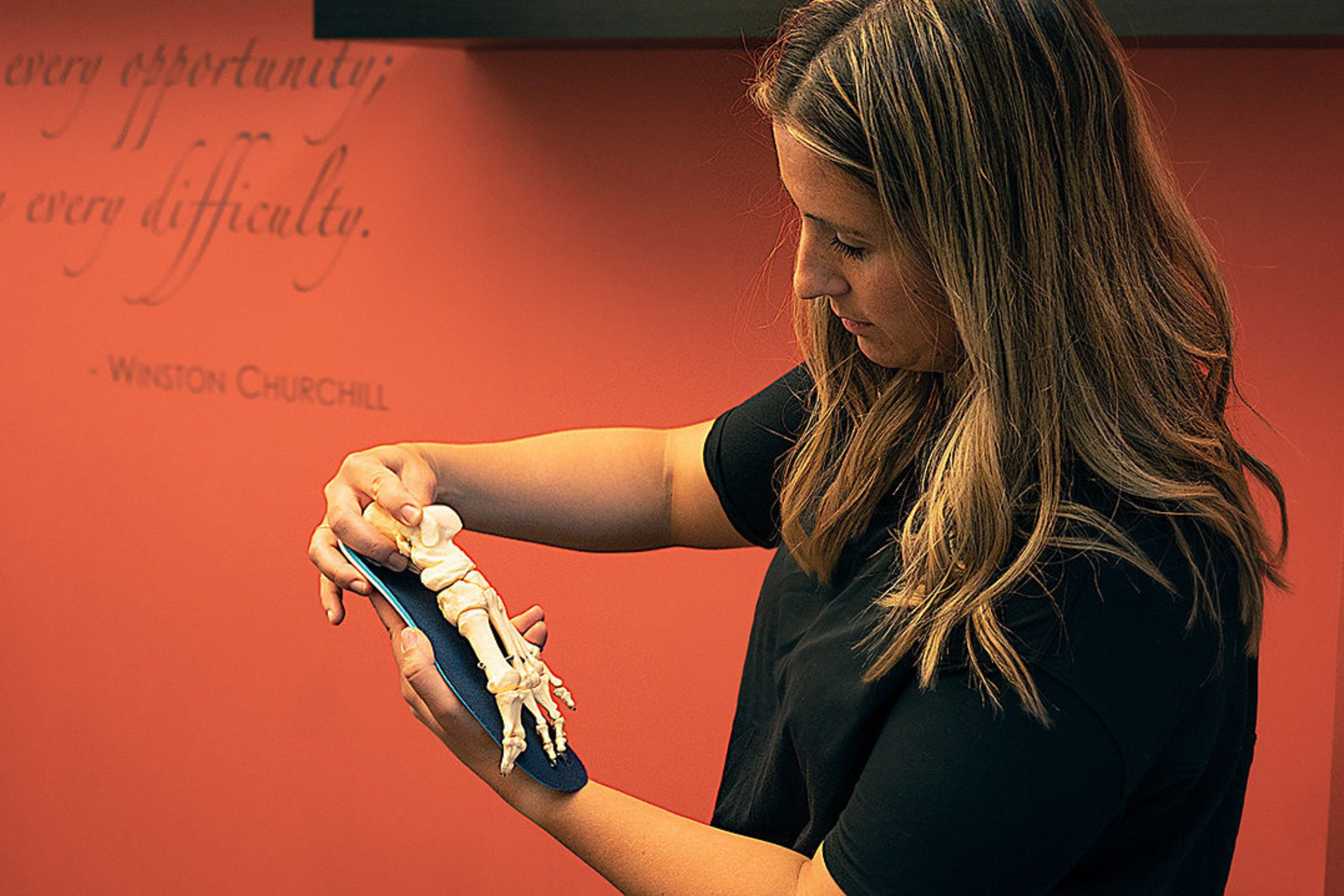
The plantar fascia is a thick band of tissue that runs along the bottom of your foot. It connects your heel bone to your toes and helps support the arch of your foot. When this tissue gets irritated or inflamed, usually from repetitive stress, it causes the condition known as plantar fasciitis.
The pain is most noticeable:
- First thing in the morning, when you take your first steps
- After sitting or standing for a long period of time
- After a long walk, run, or workout
- When climbing stairs
For many people in Oakville, this kind of pain starts gradually and gets worse over time if it’s left untreated. It’s not something you want to push through and ignore.
What Causes Plantar Fasciitis?
There isn’t just one cause. Plantar fasciitis usually develops because of a combination of factors that put too much stress on that tissue over time.
Common causes include:
- Tight calf muscles or Achilles tendon that limit ankle flexibility
- Flat feet or high arches that change the way weight is distributed through your foot
- Sudden increases in activity, like training for a race or starting a new exercise routine
- Standing on hard surfaces for long hours, which is common for teachers, healthcare workers, retail employees, and tradespeople
- Worn-out footwear that no longer provides adequate support
- Being overweight, which adds extra pressure to the plantar fascia
Age is also a factor. People between 40 and 60 are most commonly affected, though younger athletes are not immune. Oakville has a very active community, from runners logging kilometres along the waterfront trail to hockey players, cyclists, and fitness enthusiasts. That level of activity can sometimes tip the scales toward overuse injuries like this one.
How Is Plantar Fasciitis Diagnosed?
Plantar fasciitis is usually diagnosed through a physical examination. A healthcare provider will ask about your symptoms, when the pain started, and what makes it better or worse. They will also look at your foot’s structure, gait, and flexibility.
In some cases, imaging like an X-ray or ultrasound might be recommended to rule out other causes of heel pain, such as a stress fracture or heel spur. However, imaging is not necessary to start treatment in most cases.
If you’re experiencing persistent heel pain in Oakville, it’s worth getting a proper assessment rather than guessing what’s going on.
Treatment Options That Actually Work
The good news is that most cases of plantar fasciitis improve with conservative treatment. Surgery is rarely needed. Here’s what tends to work:
Stretching and Exercise
Stretching is one of the most effective tools for managing plantar fasciitis. Focus on:
- Calf stretches against a wall
- Plantar fascia stretches where you pull your toes back gently
- Towel stretches that are done first thing in the morning, before you get out of bed
Strengthening the muscles of the foot and lower leg also helps reduce the load on the plantar fascia over time.
Proper Footwear and Orthotics
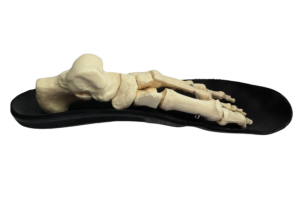
Wearing supportive shoes makes a big difference. Look for shoes with good arch support, cushioning in the heel, and a firm sole. Avoid walking barefoot on hard floors, especially in the morning.
Custom or over-the-counter orthotics can help correct foot mechanics and take pressure off the irritated tissue. Many people in Oakville find this to be a game-changer, particularly those who spend long days on their feet at work or are training for races and events.
Rest and Activity Modification
You don’t have to stop moving entirely, but reducing activities that aggravate your heel may give the tissue a chance to calm down. Swapping high-impact activities like running for lower-impact options like swimming or cycling can help keep you active while you recover. Oakville has no shortage of pools and cycling paths, so staying active during recovery is very doable. To determine which activities to keep and which you might need to reduce, you can consult your Chiropractor or Physiotherapist.
Manual Therapy
Hands-on treatment from a trained clinician can help loosen tight tissues, improve mobility in the ankle and foot, and speed up recovery. Techniques like Active Release Technique, joint mobilization, and myofascial release are commonly used at Connor Chiropractic and Wellness Centre. These techniques are a great addition to your recovery journey.
Ice, Taping, and Anti-Inflammatory Support
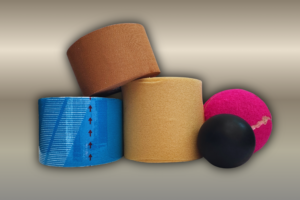
Applying ice to the heel for 15 to 20 minutes after activity can help manage pain and inflammation. Some people also benefit
from anti-inflammatory medications in the short term, but this is best discussed with your healthcare provider. In addition to anti-inflammatory support, taping and wrapping the foot can also provide relief to help you keep doing what you love.
When Should You See a Professional?
You should book an appointment if:
- Your heel pain has lasted more than a few weeks
- The pain is getting worse instead of better
- You’re changing the way you walk to avoid the pain
- The pain is affecting your sleep, work, or daily activities
Ignoring plantar fasciitis often leads to a longer recovery. If you’re in Oakville and you’ve been limping through your mornings for weeks, early treatment is almost always more effective than waiting it out.
FAQ: Plantar Fasciitis Questions Answered
How long does plantar fasciitis take to heal? Recovery time varies. Mild cases can improve within a few weeks with the right treatment. More stubborn cases can take several months. Staying consistent with your stretching and treatment plan makes a big difference.
Can plantar fasciitis go away on its own? Sometimes, yes. But for many people, it doesn’t fully resolve without some form of treatment. The longer it goes untreated, the harder it can become to manage.
Is it okay to exercise with plantar fasciitis? Yes, but you may need to modify what you’re doing. Low-impact activities are usually fine. Your clinician can help you figure out what’s safe and what to avoid during recovery.
Do I need orthotics for plantar fasciitis? Not everyone does, but many people benefit from them. It depends on your foot structure and the root cause of your symptoms.
Can the wrong shoes cause plantar fasciitis? Absolutely. Worn-out shoes, flat sandals, and unsupportive footwear are among the most common triggers. Upgrading your footwear is often one of the simplest first steps.
Ready to Get Relief? Book an Appointment Today
If you’re dealing with heel pain and think it might be plantar fasciitis, don’t wait for it to get worse. Our team at Connor Chiropractic and Wellness Centre in Oakville, Ontario is here to help you figure out what’s going on and build a plan that works for your life and activity level.
Whether you’re a weekend warrior, a busy parent running around after kids, or someone who wants to get through the day without heel pain, we can help.
Give us a call or book online today. You deserve to start your mornings without that first-step pain.
Connor Chiropractic and Wellness Centre. Oakville, Ontario. 905-901-9817